
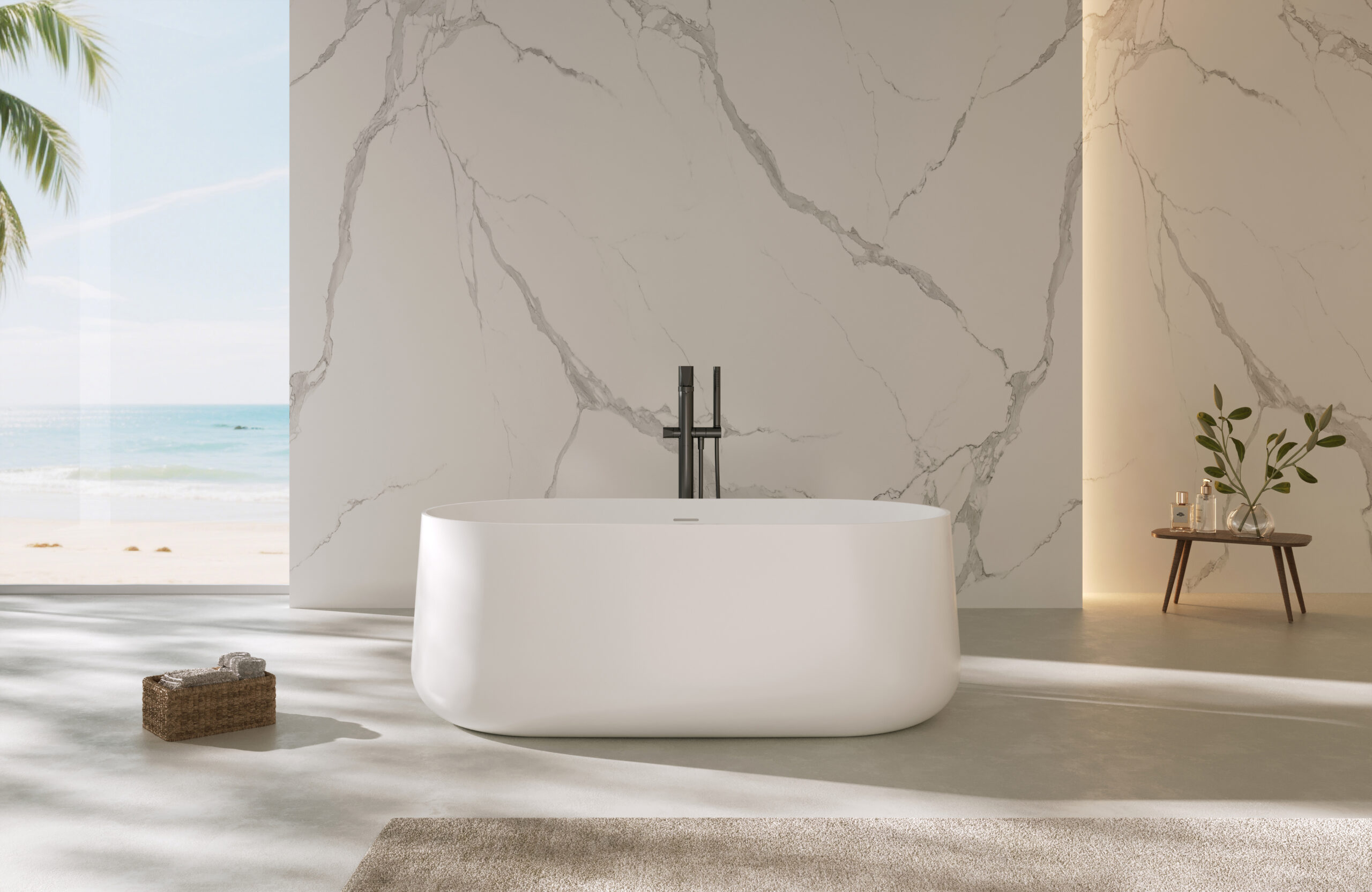
Choosing the right bathtub is an important decision for residential projects, hotels, and commercial developments. Among the most popular options today, solid surface bathtubs and acrylic bathtubs are widely selected by designers, architects, distributors, and homeowners because of their durability, design flexibility, and modern appearance.
However, these two materials offer different advantages in terms of appearance, performance, maintenance, customization, and cost.
In this article, we will provide a detailed comparison of solid surface bathtubs versus acrylic tubs to help you understand their differences and choose the ideal bathtub solution for your project.
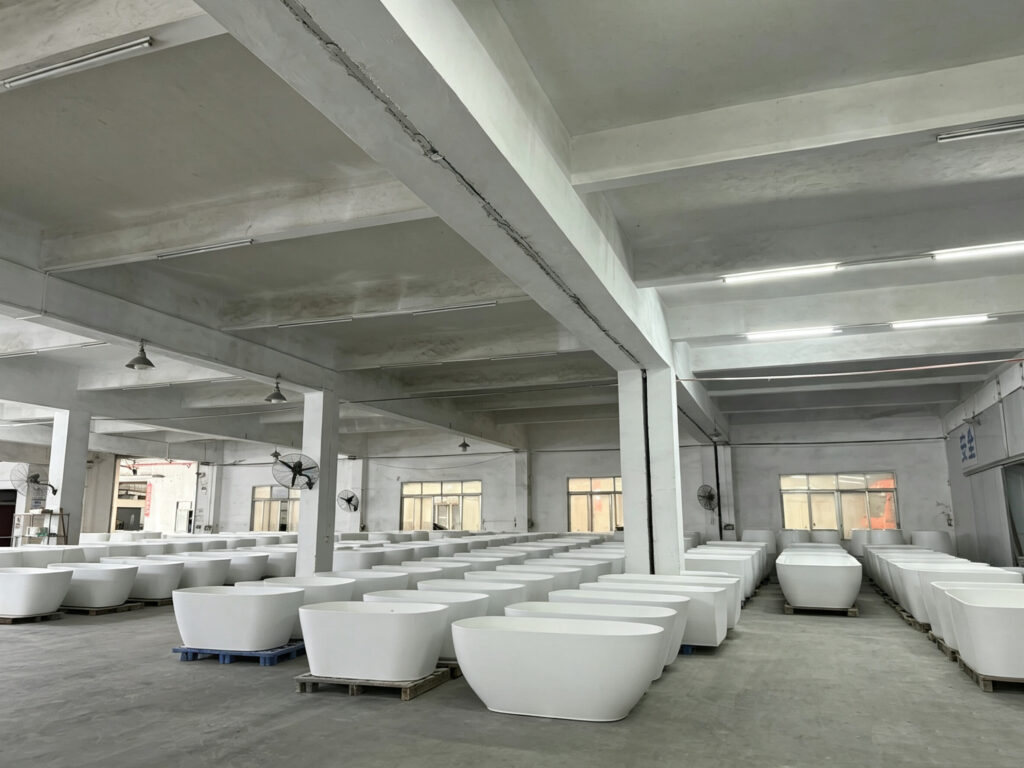
At GRAESE, we specialize in manufacturing solid surface bathtubs, acrylic bathtubs, and customized bathroom solutions. With more than 27 years of manufacturing experience since 1999, we support global distributors, retailers, designers, and hospitality projects with OEM and ODM services.
What Is a Solid Surface Bathtub?
Definition and Material Composition of Solid Surface Bathtubs
A solid surface bathtub is manufactured using a high-density composite material made from natural minerals, resin, and advanced polymers. The material is molded into a seamless bathtub structure, creating a smooth, stone-like appearance.
Unlike traditional bathtub materials, solid surface offers excellent design flexibility, allowing manufacturers to create unique shapes, textures, and colors.
Common features include:
- Seamless stone-like appearance
- Premium matte finish
- Excellent heat retention
- Strong customization capability
- Repairable and refinishable surface
Solid surface bathtubs are especially popular in:
- Luxury residential bathrooms
- Boutique hotels
- High-end apartments
- Designer bathroom projects
Advantages of Solid Surface Bathtubs
1. Premium Appearance and Modern Design
One of the biggest advantages of solid surface bathtubs is their luxurious appearance.
The material can achieve a natural stone effect while maintaining a lighter structure compared with traditional stone products. Designers often choose solid surface because it creates a minimalist and high-end bathroom atmosphere.
With advanced manufacturing technology, solid surface bathtubs can be customized in:
- Different shapes
- Various colors
- Marble patterns
- Matte or textured finishes
2. Better Heat Retention
Solid surface materials generally have better thermal performance compared with thin-wall bathtub materials.
The dense structure helps maintain water temperature longer, creating a more comfortable bathing experience.
This makes solid surface bathtubs a preferred choice for premium residential and hospitality projects.
3. Customization for Different Projects
For developers and brands requiring customized products, solid surface provides more possibilities.
Manufacturers can customize:
- Bathtub dimensions
- Surface finishes
- Colors
- Overflow positions
- Packaging solutions
This flexibility makes solid surface bathtubs suitable for OEM and ODM projects.
What Is an Acrylic Bathtub?
Definition and Features of Acrylic Bathtubs
An acrylic bathtub is produced using acrylic sheets that are heated and formed through a vacuum forming process.
Acrylic is one of the most widely used bathtub materials worldwide because of its lightweight structure, smooth surface, and cost efficiency.
Modern acrylic bathtubs are commonly used in:
- Residential bathrooms
- Apartment projects
- Hotels
- Renovation projects
Advantages of Acrylic Bathtubs
1. Lightweight and Easy Installation
Compared with solid surface bathtubs, acrylic bathtubs are lighter and easier to transport and install.
This provides advantages for:
- Large-scale housing projects
- Commercial developments
- Renovation applications
2. Cost-Effective Bathroom Solution
Acrylic bathtubs offer an excellent balance between appearance, performance, and price.
For distributors and retailers, acrylic bathtubs provide:
- Competitive market pricing
- Wide customer acceptance
- Flexible product selections
3. Wide Range of Shapes and Sizes
Acrylic technology allows manufacturers to produce various bathtub designs, including:
- Freestanding bathtubs
- Rectangular bathtubs
- Oval bathtubs
- Corner bathtubs
Manufacturers can also customize different bathtub sizes and bathtub dimensions according to regional market requirements.
Solid Surface Bathtub vs Acrylic Bathtub: Key Differences
Material Comparison
| Feature | Solid Surface Bathtub | Acrylic Bathtub |
| Material | Mineral composite + resin | Acrylic sheet |
| Appearance | Stone-like premium finish | Smooth glossy finish |
| Weight | Heavier | Lightweight |
| Heat retention | Excellent | Good |
| Customization | Very high | High |
| Installation | Requires stronger support | Easier installation |
| Price level | Premium | More affordable |
| Application | Luxury projects | Residential & commercial projects |
Comparison of Bathtub Sizes and Dimensions
Standard Bathtub Sizes
Choosing the correct bathtub dimensions is important for bathroom planning.
Typical bathtub sizes include:
Small Bathtub Dimensions
Suitable for apartments and compact bathrooms:
- Length: 1400–1600 mm
- Width: 700–750 mm
- Height: 550–600 mm
Standard Bathtub Dimensions
Common residential bathtub sizes:
- Length: 1600–1800 mm
- Width: 750–850 mm
- Height: 550–650 mm
Large Bathtub Dimensions
Designed for luxury bathrooms and hospitality projects:
- Length: 1800–2000+ mm
- Width: 850–1000 mm
- Height: 600–700 mm
How to Choose the Right Bathtub Size?
When selecting bathtub sizes, consider:
- Bathroom space availability
- Installation location
- User comfort requirements
- Plumbing position
- Project standards
For international projects, customized bathtub dimensions are often required because bathroom layouts vary between regions.
GRAESE provides OEM/ODM bathtub manufacturing services, allowing customers to develop products based on specific market requirements.
Which Bathtub Material Is Better for Your Project?
Choose a Solid Surface Bathtub If You Need:
A solid surface bathtub is ideal when your project focuses on:
- Luxury bathroom design
- Premium hotel projects
- Unique product appearance
- Customized manufacturing
- Long-term durability
Choose an Acrylic Bathtub If You Need:
An acrylic bathtub is suitable when you require:
- Competitive pricing
- Easy installation
- Large-volume projects
- Retail market products
- Multiple bathtub designs
Why Choose GRAESE as Your Bathtub Manufacturing Partner?
Founded in 1999, GRAESE is a professional sanitary ware manufacturer integrating R&D, production, and export.
Our factory specializes in:
- Solid surface bathtubs
- Acrylic bathtubs
- Transparent resin bathtubs
- Solid surface basins
- Bathroom accessories
With standardized production workshops, experienced technical teams, and strict quality control systems, we provide reliable manufacturing solutions for global partners.
Our capabilities include:
- OEM and ODM development
- Custom bathtub sizes and dimensions
- Material and color customization
- Project-based production support
- International export experience
Final Thoughts: Solid Surface or Acrylic Bathtub?
There is no single answer to which bathtub material is better.
A solid surface bathtub is the preferred choice for premium projects that require luxury appearance, customization, and long-term value.
An acrylic bathtub is an excellent option for projects requiring flexibility, affordability, and efficient installation.
By understanding the differences between solid surface and acrylic materials, buyers can select the right bathtub solution based on project requirements, budget, and design expectations.
As an experienced bathtub manufacturer, GRAESE provides both solid surface and acrylic bathtub solutions to help global partners create better bathroom spaces.